

It is a part of my personality to not go with the flow. I don’t necessarily go against the flow either. I’d qualify it as stepping aside and outside of it. That logic applies throughout most of my life and doing reviews fits that modus operandi. Most influencers and reviewers have had their Ricoh GR III articles and videos out that same month in late summer of 2020, to try sell you one and earn commission. I, on the other hand, am not selling anything to anyone and want to take proper time with my gear, really get to know and use it, before passing judgment. I’m not an influencer nor a reviewer and the below are nothing more than my honest thoughts. I reckon four years of use is enough to speak candidly and in an informed way. The time has come for this post to come out of its slumber in my Drafts folder where it lived for four years and see the world. Spoiler alert: this camera made me ditch RAW and start shooting JPEGs again!
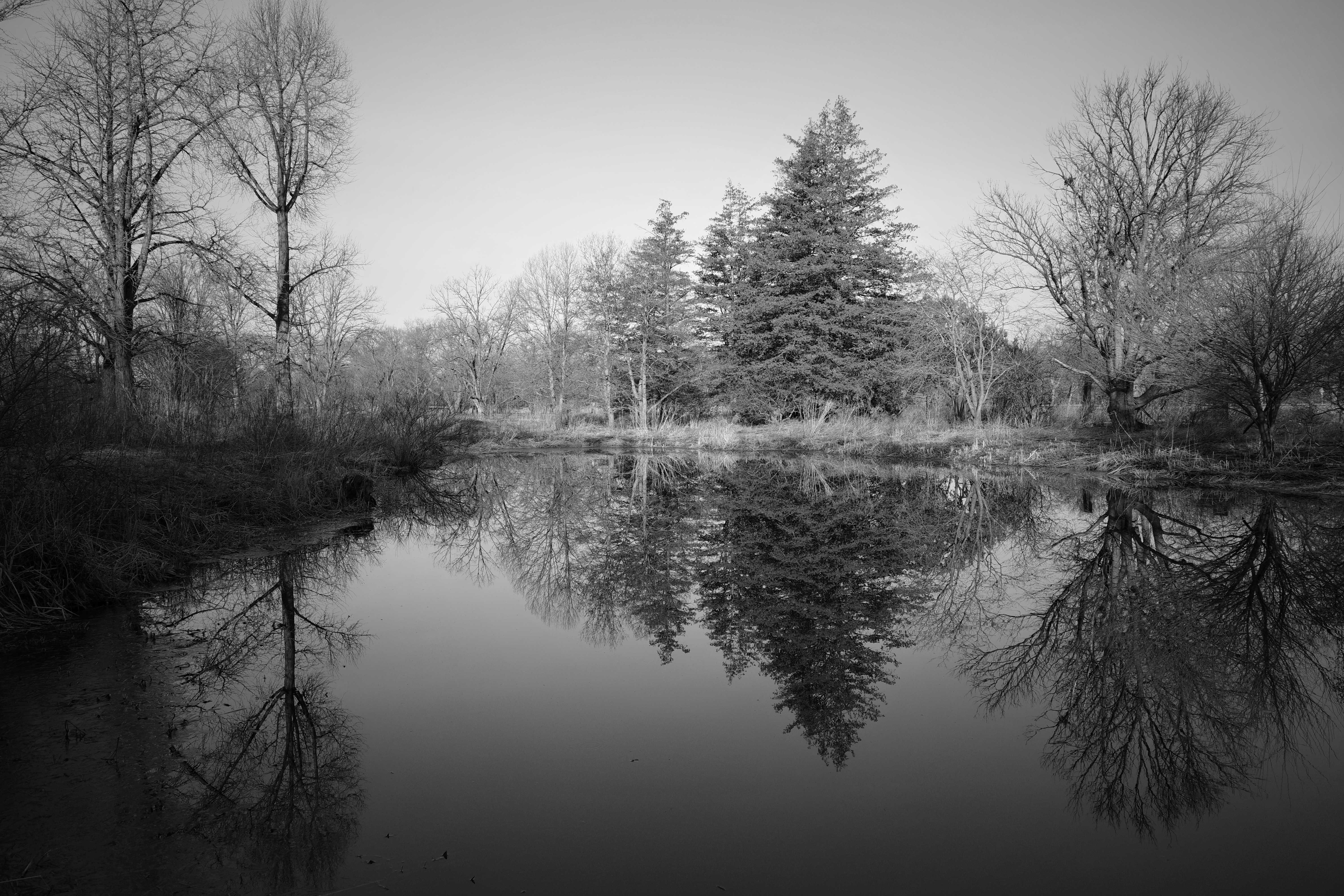
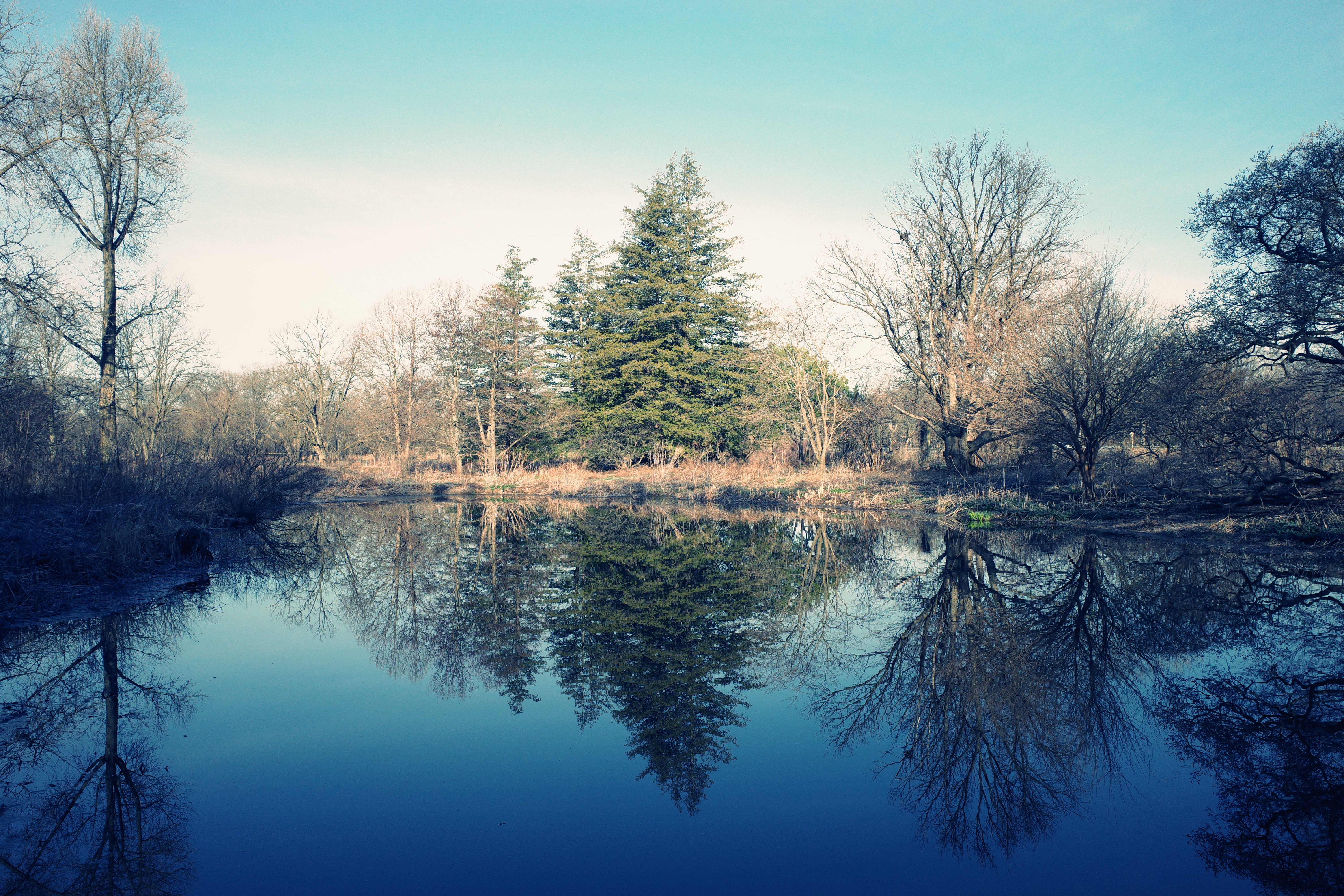
The Ricoh GR III packs a surprising emotional punch for a camera that fits in your pocket. I’ve spent time shooting with its built-in film simulations, and three have stuck with me: B&W, Positive Film, and Cross Process. Each tells the same story in wildly different languages. I deliberately say B&W, because there in fact are two presets I use and often flip between them (Standard and High Contrast). I do not show High Contrast shot of the serene pond scene above, as that preset feels best in the streets, more so than in nature.
Standard B&W
Crisp, timeless, and unapologetically honest. It strips the colored world down to contrast, tone and texture—no distractions, just form and shadow. It really reminds me of the subtlety of Kodak’s Acros film and you can really dial-in the contrast, shadows and highlights to mimic it. Standard B&W is my favorite simulation for monochrome landscapes, candids, still life and just general daily life use. It has a documentary quality, respects the subject in frame in its original form and intent. It is a great preset for emotional neutrality, where you seek peace and tranquility over chaos caused by colors. In this preset, silence takes center stage.
Positive Film
The colors feel natural but vibrant—like memory retouched with clarity so profound it feels more real than the event the memory is of. After all, it is called “positive” for a reason. I don’t know which slide film this preset is trying to simulate, but I like what I see: great tonal balance and dynamic range, colors are punchier, yet not in your face, very natural white balance too. It doesn’t push saturation aggressively, just elevates what’s already there. I reach for this one when the scene already feels alive and I want to capture a moment in its purest and most true nature, as my eye sees it. This would be my recommendation for anyone who wants to take amazing photos with realistic colors and doesn’t want that surgically precise, over-saturated, yet beautifully artificial, iPhone look. This simulation is a truly masterful blend of vibrancy and authenticity.
Cross Process:
An old technique where you process the film in the wrong chemistry. In my case I “guesstimate” this simulation harkens to positive slide film being processed in C41 negative film chemistry. This one’s for bending reality. And your brain. It twists greens into cyans, warms shadows unnaturally, and throws you (the viewer) off balance. It’s not for every scene—but when it works, it creates visual dissonance that feels cinematic and irresistibly strange. Like reality being reinterpreted mid-dream where Dorothy (on acid) strolls nonchalantly down an orange road, with grass the color of beautiful turquoise stones.
This simulation is an acquired taste for sure, no doubt about it. Yet!
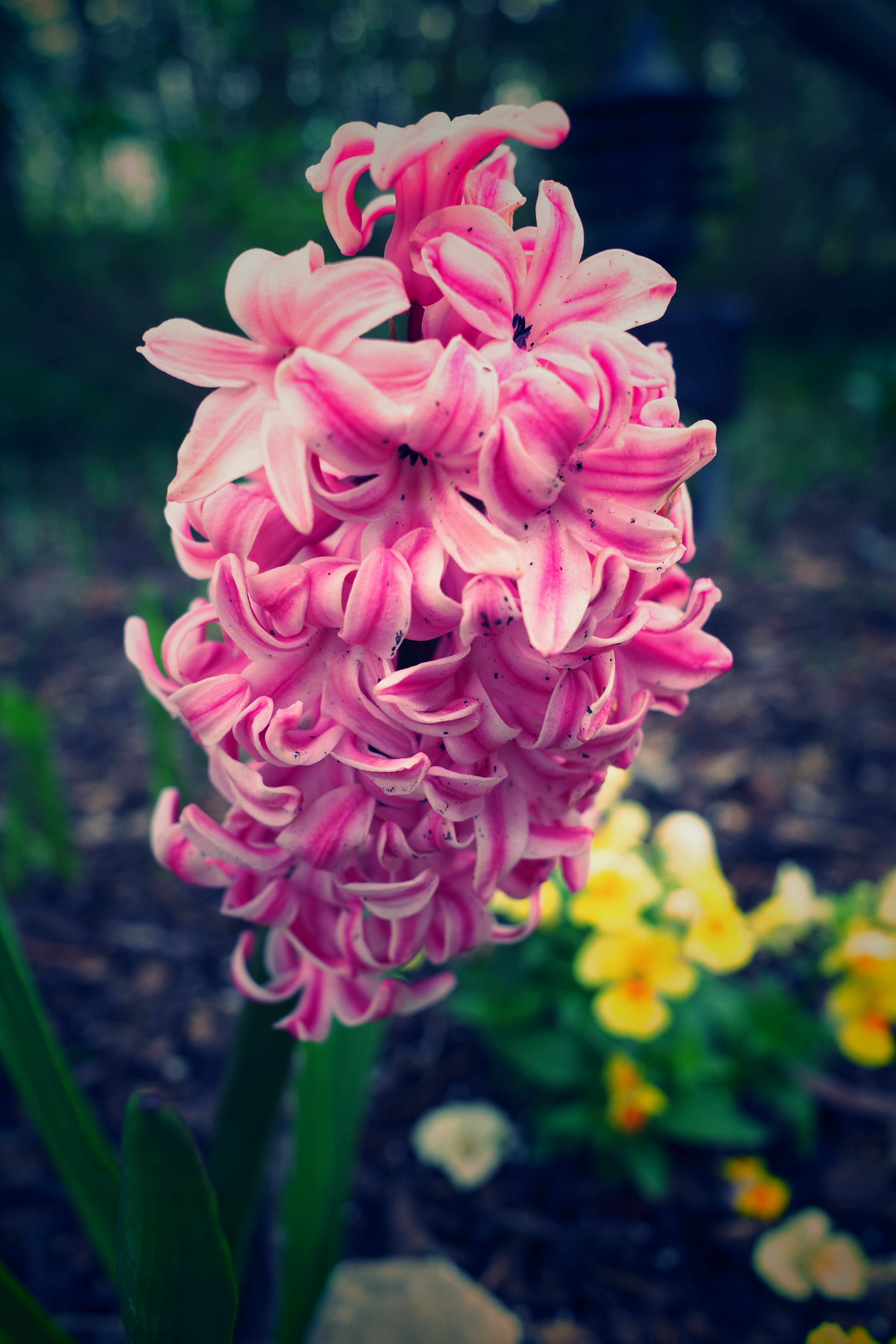
In reviewing my library I came to realize that it has been one of my most frequently used simulations! Not only for surreal moody scenery, but in places and times where color accuracy would be the best remedy, such as photos of spring flowers, autumn foliage to name a couple. The colors become wildly saturated, pictures grow colder as the balance shifts heavily towards blue. And then there is the blue cast. That ever-present blue overcast spilled over the entire photo, creating an uncanny dichotomy of high contrast in some scenes, yet bringing out a washed out blue look of the shadows (just see the hyacinth and violets below…).
This cross process technique was very popular in the 90’s, a rebellion against the ordinary, instead embracing all out chaos. I’m the kid of the grunge generation, so that rebellious view of what colors are, or could be, carried on within.
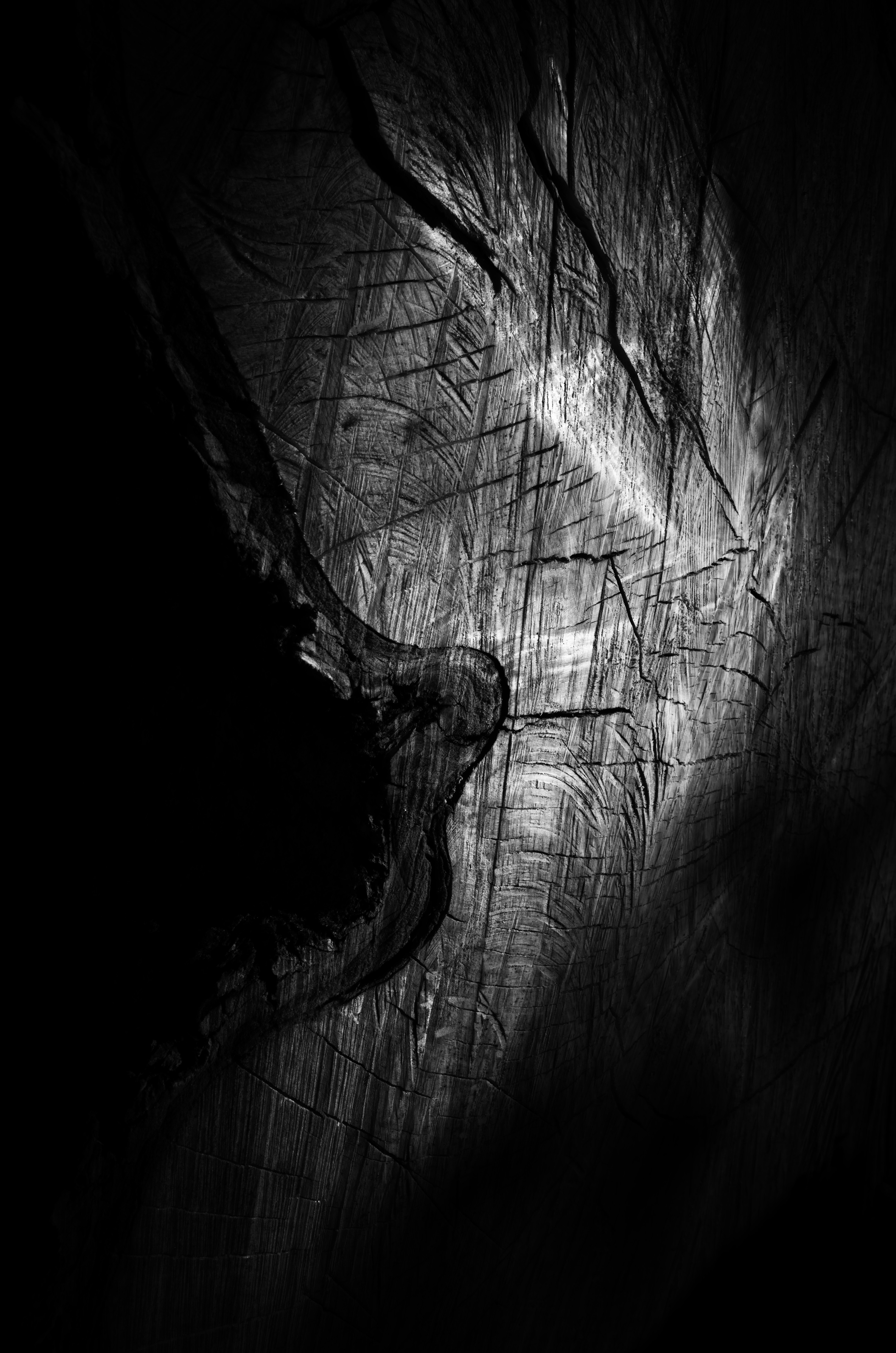
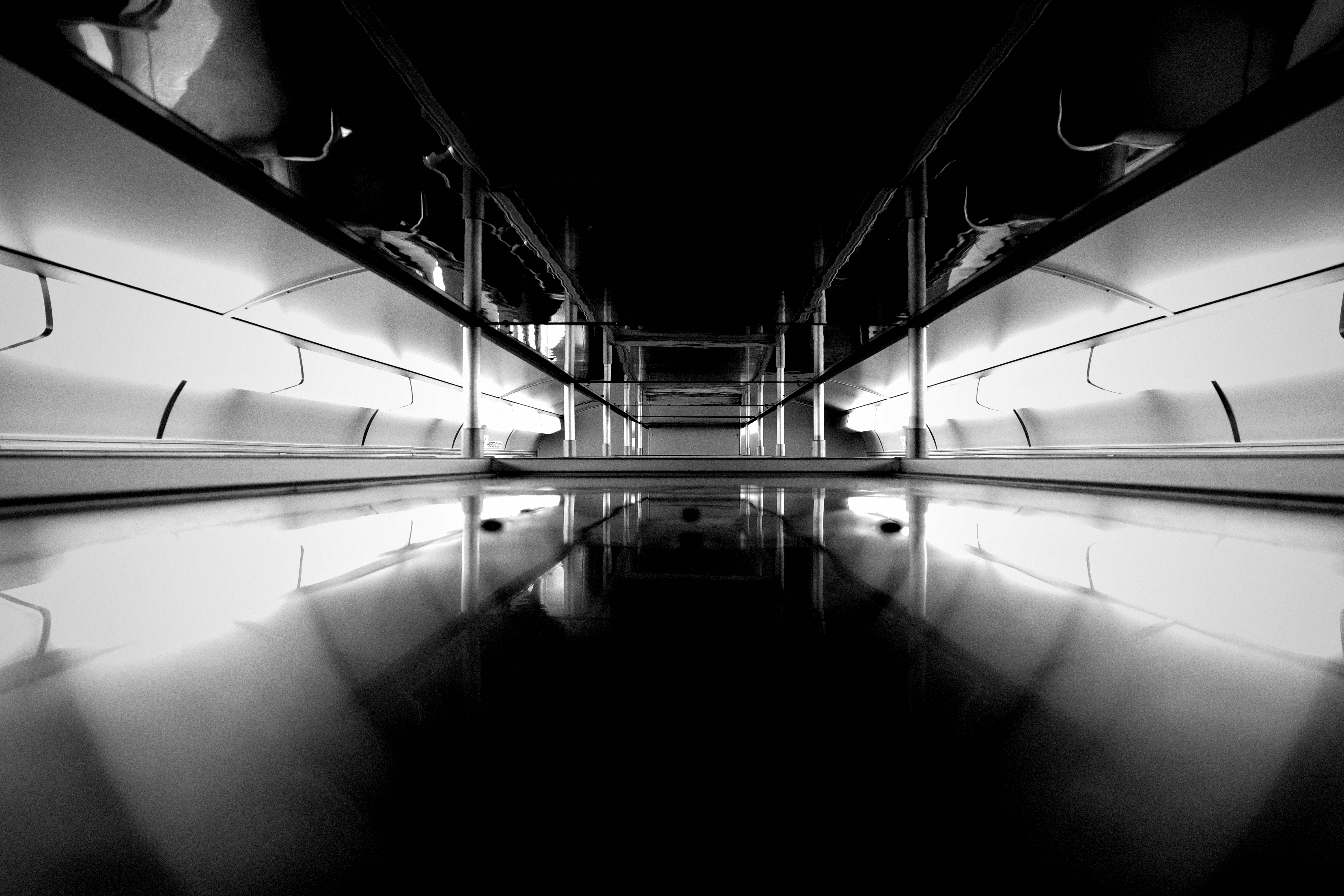
Bonus: High Contrast B&W

Now this preset isn’t just high contrast—it’s high conviction where gloves come off. Shadows drop like anchors; highlights slice through all the nonsense and amplify the subject beyond its natural state. High Contrast preset feels raw, uneducated, borderline rude, yet it leaves a lasting impression, because it is so jarring. If you saw the same photo in these two monochrome presets (standard and high contrast), the latter is what would be burned into your memory. This simulation reminds me a lot of Ilford HP5 film stock pushed to 1600. I find it ideal for playful graphic compositions or architectural tension, where structure and light wage all out war. This sim is also excellent for taking advantage of negative space where you use pure blacks or solid whites to frame your subject. If you are an admirer of work by Daido Moriyama, Henri Cartier-Bresson or Robert Frank, you will love this preset, I promise…
In closing…
Each preset changes the way I see the world around me — and that’s the gift. A single image, a single moment, can be quiet, joyful, surreal… just by how it’s processed. And it takes one twist of a dial. These three live on my camera’s preset wheel, night and day.
Now, would I recommend Ricoh GR III, a thousand Dollar pocketable camera with a DSLR sensor inside it and lens so sharp it could cut fog into toast slices, let along cut a big hole in your wallet? If its quirks and shortcomings are not a deal-breaker for you, then I would give it a resounding YES. This camera never leaves my side and is always in my bag, including trips to the grocery store. There is a new version IV now, but to me the price increase is not worth the few new features. I’d rather get the III and buy some extra batteries (and you WILL need extra batteries with this camera).
What I would truly recommend, however, is the GR IIIx! That is a true travel and street warhorse worthy of its price. You see, the GR III has a 28 mm equivalent focal length, same as most modern phones. So, even with a vastly larger sensor and vastly superior lens, it still produces a scene we all have grown accustomed to seeing from our phone cameras; i.e. wide angle, low compression. Whereas the GR IIIx has an equally impressive lens, but in 40 mm focal length, which is much closer to human eye’s “perceived” focal length of 43 mm or 50 mm (depends on whom you ask). A tighter picture, more compression, narrower field of view, and in general a far more practical and versatile focal length in daily use (street or travel). The GR cameras have cult-like following. And for a good reason…
At the beginning I hinted at JPEGs vs RAW. Die-hard pundits who are faithful to other brands may scoff at a GR, saying that its film simulations are no match for their pristine and lovely presets (yes, I’m pointing my finger at you, Fuji X100 users!…). OK, jokes aside. It is true that Fuji has absolutely nailed their film simulations and has a huge library of them. Their Velvia and Acros presets are simply stunning.
Where the GR pales in comparison, having merely a handful of seriously useful simulations, compared to dozens on the Fuji cameras. But here’s the rub: there is such a thing as apathy of options. It’s real. Ever found yourself at Walmart or Target at the cereal aisle, which is 100 feet long, absolutely mortified, because you don’t know which kind and brand to pick? Try to go to a remote country store where there will be only one box. An easy choice, made for you in advance! Awesome! I am limited to three or four presets on my GR, but that limitation is a blessing in disguise. I do not need to browse a vast library, trying to decide what preset to use, while that important fleeting moment I was trying to shoot is vanishing before my eyes, I’m never paralyzed while trying to decide which preset would look best. Time is everything in street and travel photography.

Though the GR has only a few really serviceable presets, Ricoh have absolutely perfected them to a point where I do not ever feel the need for another one. Nor do I have the desire to shoot RAW and then process my photos on the computer. Not anymore. These four film simulations are so good in my opinion, I have full confidence in them and use them all the time, RAW left forgotten out in the pastures. I have no need to edit my photos, save for minor cropping or removal of artifacts.
And you know what else I love? The file sizes! It makes me downright giddy to see my photos being downloaded and not a single one is bigger than 9 MB! File transfers and backups are faster because of this, working in DxO PhotoLab, or opening the pictures, is faster. I find myself never even thinking of RAW and all the possibilities I am supposedly losing by doing “archaic” JPEGs.
It is a step back in time and I feel very strongly that it is a step in the right direction. A direction towards simplicity, a direction towards enjoyment, a direction towards freedom…
P.S.:
If you follow my blog with any regularity you will know that I shoot a lot of infrared and have a second GR converted to 590 nm wavelength. On that one, I use RAW exclusively, because infrared shots must be post processed and JPEGs would ruin them. But my EDC unmodified Ricoh GR III which I have on me every day? JPEG only! Just for full transparency.


 The Dark Room
Leave a comment